The Essential Ingredients in Jamaican Food
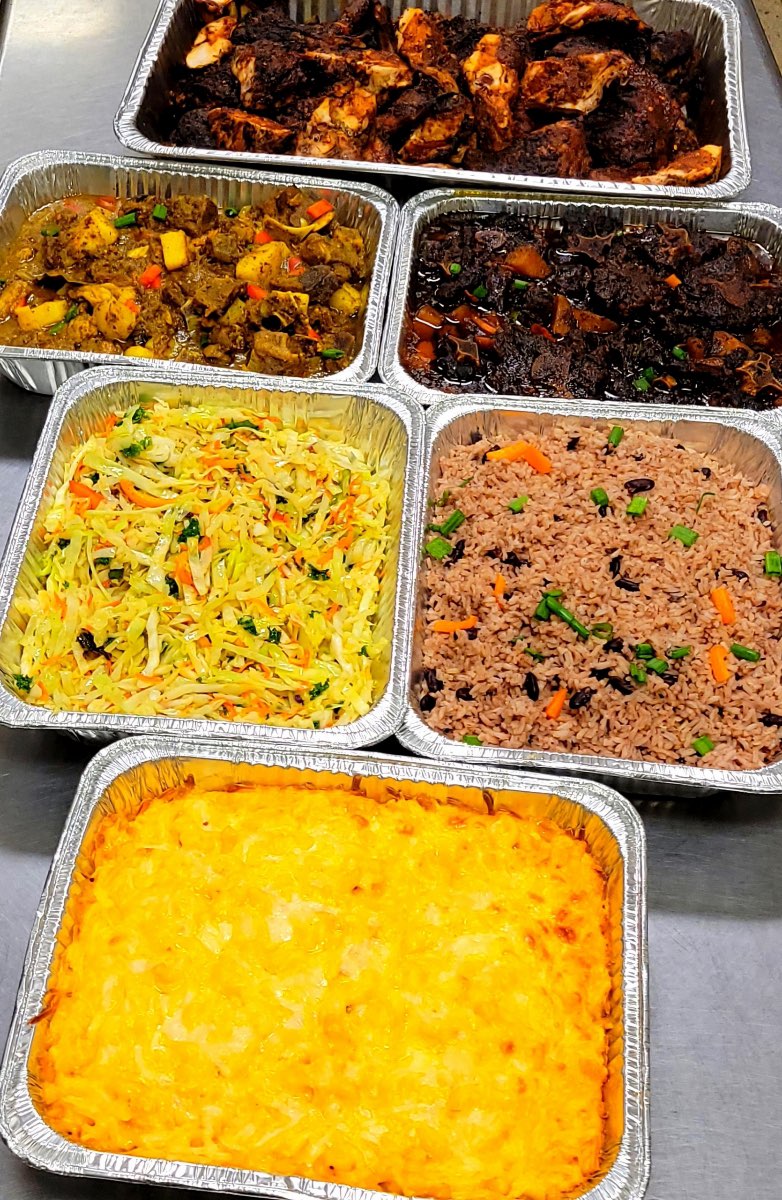
Jamaican food has a way of announcing itself before it reaches the table. You smell thyme in hot oil, scallion hitting the pot, allspice lifting out of a marinade, Scotch bonnet bringing its sharp, fruity heat. Even when the dish is simple, the flavor rarely is. That is one of the defining strengths of the Jamaican kitchen. It builds depth from a relatively compact set of ingredients, used with confidence and excellent timing.
Anyone trying to understand Jamaican food through restaurant menus alone will only get part of the picture. The famous dishes, jerk chicken, curry goat, ackee and saltfish, rice and peas, oxtail, patties, tell an important story, but the deeper lesson sits in the pantry and the market basket. Jamaican cooking depends on a handful of ingredients that do more than season food. They establish identity. They also show the island’s layered history, with African, Indigenous Taíno, British, Spanish, Indian, Chinese, and Middle Eastern influences shaping what ended up in the pot.
Some ingredients are bold enough to dominate a dish. Others work quietly in the background, almost never announced, but immediately missed when left out. If you cook Jamaican food regularly, you learn that there is a difference between a dish that is technically correct and one that tastes rooted. The gap usually comes down to ingredients.
Flavor begins with the green seasoning base
A great deal of Jamaican cooking starts with what many home cooks would simply call seasoning. In practice, that means a fresh blend of aromatics, often some combination of scallion, thyme, onion, garlic, Scotch bonnet, ginger, and black pepper. This is not a delicate base. It is built to stand up to slow braising, frying, grilling, and stewing.
Scallion, called spring onion in many Caribbean households, is one of the first flavors you notice in authentic Jamaican food. It has a cleaner, grassier edge than storage onions and moves through a dish differently. When chopped and crushed into marinades, it penetrates meat. When added early to oil, it perfumes the whole pot. Most experienced cooks use more of it than a beginner expects.
Thyme matters just as much. Jamaican thyme is often stronger and more resinous than the delicate sprigs sold in standard grocery produce sections. Whether fresh or dried, it gives soups, stews, peas, and meat dishes that unmistakable earthy backbone. Remove thyme from rice and peas and the dish feels flatter, even if every other ingredient is present.
Onion and garlic do the heavy lifting you would expect, but Jamaican food rarely stops there. Ginger appears often, especially in curry dishes, drinks, baked goods, and marinades. It adds brightness and warmth rather than obvious heat. In a proper curry goat, for example, ginger helps keep the richness from becoming heavy.
This green seasoning style also reveals something important about Jamaican cooking technique. Ingredients are not always layered gently and separately. Very often they are crushed together, rubbed onto meat, or cooked down in the same pan until they become a unified flavor base. It is direct cooking, but it is not careless. Timing still matters. Add the aromatics too early and they burn. Add them too https://holdenhenc189.keystonescope.com/posts/how-jamaican-food-continues-to-inspire-food-lovers late and they taste raw and detached from the dish.
Scotch bonnet is heat, fruit, and aroma all at once
People unfamiliar with Jamaican food often reduce Scotch bonnet peppers to pure spice. That misses their real value. A Scotch bonnet does bring serious heat, but its character is fruity, floral, and almost sweet before the fire fully lands. Used properly, it changes the aroma of a dish as much as the heat level.
In Jamaican kitchens, the pepper can be treated in several ways depending on the desired result. A whole Scotch bonnet dropped into simmering soup or stew gives flavor and warmth without turning the pot unbearably hot, so long as it stays intact. Once it bursts, everything changes. Finely chopped into escovitch pickle or jerk marinade, it becomes assertive and immediate. Blended into pepper sauce, it becomes a statement.
The trade-off is obvious. Scotch bonnet gives incomparable flavor, but it can overwhelm a dish if the cook does not account for diners, the size of the pepper, or how long it will cook. This is one reason substitutions are never perfect. Habaneros are the closest match available in many places and can work in a pinch, but the aroma is not identical. That difference may seem minor until you taste the final dish side by side.
For home cooks making Jamaican food outside the Caribbean, the best advice is restraint at first. Start with less than you think you need, especially in enclosed stews where the heat blooms over time. You can always bring more pepper to the table. You cannot pull it back out of the pot.
Allspice is one of the pillars of the cuisine
If there is one spice that anchors Jamaican food in a way few others do, it is allspice. On the island, it is often called pimento. The berries come from a tree native to the Caribbean and Central America, and Jamaica has long been associated with particularly high-quality allspice.
Its flavor is hard to reduce to a single note because it naturally suggests clove, cinnamon, nutmeg, and pepper at once. That complexity explains why it shows up in both savory and sweet cooking. In jerk seasoning, allspice is essential. Without it, the marinade may still be spicy and fragrant, but it loses the deep, rounded warmth that defines the style. In baked goods and drinks, the same spice connects fruit, sugar, and spice in a more subtle way.
Freshly ground allspice makes a clear difference. Pre-ground spice dulls quickly and often tastes dusty rather than vibrant. Crushing whole berries with a mortar and pestle or spice grinder right before mixing a marinade produces a fuller aroma. This is one of those small kitchen habits that separates good Jamaican cooking from merely acceptable imitation.
Allspice also reflects the island’s older food traditions. Jerk itself, in its earlier forms, relied on pimento wood and leaves as well as the berries. Even when cooks today use modern ovens or grills instead of outdoor pits, the flavor memory of pimento remains central.
The soul of jerk is more than a bottled sauce
Jerk is probably the most internationally recognized element of Jamaican food, but it is also one of the most misunderstood. In many export markets, jerk gets reduced to a sticky, sweet, spicy sauce. Traditional jerk is something far more layered, and its key ingredients tell that story.
At its core, jerk seasoning depends on allspice, Scotch bonnet, thyme, scallion, garlic, salt, black pepper, and often ginger and a touch of sweetness. Some cooks add soy sauce, vinegar, nutmeg, cinnamon, or brown sugar depending on family habit and intended use. The seasoning is usually rubbed deeply into meat, especially chicken or pork, then left to absorb before cooking over smoke or high heat.
What matters here is balance. Too much sugar and the meat burns before it develops the right crust. Too much wet marinade and the exterior steams instead of charring. Too little allspice and thyme, and the result tastes generically spicy rather than distinctly Jamaican. Good jerk should hit in stages. First smoke and herbs, then warmth from the spices, then the delayed force of the pepper.
That balance is why bottled jerk products vary so widely in quality. Some are useful shortcuts, especially for busy weekday cooking, but many lean too hard on salt or sweetness. If you want to understand Jamaican food through cooking, mixing jerk seasoning from scratch teaches more than buying a ready-made jar ever will.
The staples that turn flavor into a meal
Seasoning may define the flavor profile, but Jamaican food is also built on sturdy staples that give meals their shape and substance. Rice, peas, ground provisions, green bananas, plantains, and flour all play major roles. They are practical ingredients, but not plain ones.
Rice and peas is one of the best examples of the island’s ingredient logic. Despite the name, the peas are usually kidney beans or gungo peas, known elsewhere as pigeon peas, depending on the season and the household. The beans simmer with coconut milk, thyme, scallion, garlic, Scotch bonnet, and sometimes pimento berries before rice is added. The result is not just a side dish. It is aromatic, savory, and rich enough to carry a plate.
Ground provisions are another essential category. In Jamaican usage, that usually refers to starchy root vegetables and boiled staples such as yam, cassava, sweet potato, and green banana. These foods are especially important at breakfast and in soups. They bring heft and staying power. A bowl of Saturday soup without provisions feels incomplete, no matter how good the broth is.
Plantains deserve special mention because they operate at several points on the ripeness spectrum. Green plantains can be boiled, fried, or added to soups. Ripe plantains become soft, sweet, and caramelized when fried. They contribute not just taste but contrast, especially alongside saltfish, jerk meats, or curried dishes.
Flour also matters more than some people realize. It is the basis for fried dumplings, festival, and patties, all of which are central to everyday eating. Festival, slightly sweet and often served with fried fish or jerk, is a good example of Jamaican cooking’s practical sophistication. It balances spice, salt, crunch, and softness in one simple fried dough.
Coconut milk gives body and softness
Coconut appears across Caribbean cooking, but in Jamaican food, coconut milk has a particularly important role in savory dishes. It softens, rounds, and enriches. The most familiar use is in rice and peas, where it gives the grains their creamy, fragrant quality. Without coconut milk, the dish can still be tasty, but it loses a layer of comfort and depth.
Coconut milk also shows up in rundown, a cooking method where ingredients simmer down in seasoned coconut milk until the liquid thickens into a rich sauce. Mackerel rundown is a classic example. The coconut does not merely coat the fish. It absorbs and carries onion, thyme, pepper, and garlic, turning a modest ingredient into something luxurious.
There is judgment involved in using coconut milk well. Too much can make a dish heavy or sweet. Thin canned coconut milk may disappear entirely, while overly thick cream can dominate. Some cooks dilute richer coconut products or combine fresh and canned coconut depending on what they have available. That sort of adjustment is common in Jamaican home cooking. Precision matters, but adaptability matters too.
Saltfish, cured meats, and the value of preserved flavor
Preserved ingredients occupy an important place in Jamaican food, partly because of history and partly because they provide concentrated flavor. Saltfish is the most famous example. Usually made from salted cod, it is soaked and boiled to remove excess salt before being cooked with ackee, onions, tomatoes, thyme, black pepper, and Scotch bonnet. The final dish is celebrated enough to be recognized as Jamaica’s national dish, but its origins are practical. Preservation made fish transportable and affordable.
Saltfish contributes more than salinity. It brings savoriness, structure, and a particular flaky texture that fresh white fish does not replicate. In ackee and saltfish, that contrast matters. Ackee is soft, buttery, and delicate once cooked. Saltfish gives it definition.
Preserved meats such as salted pig’s tail or cured beef also appear in soups and stews. They season the cooking liquid while adding richness. Even small amounts can shift the entire pot. This is one reason Jamaican soups taste so developed. They often build flavor from both fresh and preserved sources at the same time.
These ingredients also highlight a broader truth. Jamaican food is not only celebratory food. It is resourceful food. Many of the most beloved dishes come from traditions that knew how to stretch ingredients, preserve them, and extract every bit of flavor available.
Curry powder in Jamaica has its own identity
Curry is not native to Jamaica, but it is thoroughly Jamaican now. The influence came largely through Indian indentured laborers in the nineteenth century, and over time the spice blends and cooking methods adapted to local tastes and ingredients. Jamaican curry powder tends to have a bright yellow color from turmeric, but it often carries a warmer, more toasted profile than generic supermarket curry powder.
In Jamaican curry dishes, especially curry goat and curry chicken, the powder is often “burned” or lightly fried in oil at the start. This step deepens the flavor, removes any raw powdery taste, and helps the spices bloom. The seasoning usually works alongside thyme, scallion, garlic, ginger, black pepper, and Scotch bonnet, which immediately distinguishes it from many South Asian curry approaches.
Potatoes are common in Jamaican curry, not simply as filler, but because they absorb sauce beautifully. The best curry goat has tender meat, potatoes that carry the spice, and gravy thick enough to cling to rice. If the curry powder is weak, no amount of pepper can rescue the dish. Strength and freshness of spice matter.
For cooks outside Jamaica, this is one place where brand choice makes a visible difference. Some curry powders are sweet and mild, others earthy and bitter. A Jamaican brand often gets you closer to the intended flavor profile because the balance of turmeric, coriander, fenugreek, cumin, and other spices is tailored to the island’s style of cooking.
Ackee is unique, delicate, and easy to mishandle
No discussion of essential ingredients in Jamaican food is complete without ackee. It is unlike almost anything else in the kitchen. When properly prepared, the ripe flesh becomes tender and buttery, somewhere between scrambled eggs in appearance and avocado in richness, though not really tasting like either.
Ackee demands respect because unripe fruit contains toxins and must not be eaten. Commercial canned ackee has made the ingredient far more accessible and safe in export markets, and for many cooks abroad it is the most practical option. Fresh ackee, when available and correctly harvested after naturally opening on the tree, is prized for its texture and flavor.
The challenge with ackee is restraint. It breaks apart easily and does not benefit from aggressive stirring. The cook has to fold it gently into the seasoned saltfish and vegetables, then warm it through without turning it mushy. This is a recurring pattern in Jamaican cooking. Bold flavor does not mean rough handling. Some ingredients need a light touch.
Browning, sweetness, and the darker notes of the pot
Many Jamaican stews and braises depend on a darker sweet-savory base than outsiders expect. Browning sauce is part of that picture. It is used in dishes such as brown stew chicken to add color, slight bitterness, and roasted depth. In some kitchens, cooks make their own by caramelizing sugar carefully. In others, bottled browning is a standard pantry item.
Sweetness shows up elsewhere too, usually in measured ways. Brown sugar may round out jerk marinade or baked beans. Ketchup appears in some stewed dishes, adding acidity and sweetness at once. This is not accidental or unsophisticated. It reflects a style of cooking that likes contrast. Heat wants sweetness nearby. Salt wants a little fruit or caramel. Richness needs acid and spice.
The key is proportion. A brown stew should not taste sugary. It should taste dark, savory, and balanced, with just enough sweetness to deepen the sauce.
A practical pantry for cooking Jamaican food at home
If someone wants to start cooking Jamaican food regularly, a few ingredients will carry them a long way. The exact pantry varies by household, but these are the items that most consistently earn their place:
- scallion
- thyme
- Scotch bonnet pepper
- allspice berries
- coconut milk
With those in the kitchen, plus onion, garlic, black pepper, rice, beans, and a good cooking fat, you can build an impressive range of dishes. Add curry powder and browning sauce, and even more of the repertoire opens up.
Still, ingredients alone do not guarantee the right result. Freshness matters. So does knowing when to let a pepper steep whole, when to grind pimento fresh, when to simmer coconut milk gently, and when to stop stirring. Jamaican food rewards attention as much as enthusiasm.
What people often get wrong when they shop
A common mistake is treating Jamaican ingredients as interchangeable with loosely similar items. Sometimes substitution is necessary, especially outside the Caribbean, but it helps to know what you are giving up.
- replacing Scotch bonnet with a milder chili and expecting the same aroma
- using dried mixed herbs instead of thyme as the lead herb
- buying pre-ground allspice that has long lost its fragrance
- choosing sweet bottled jerk sauce over a proper seasoning paste
- underseasoning staples like rice and peas, as though only the main meat dish matters
That last point is especially important. In Jamaican food, side dishes carry serious flavor. Rice and peas, fried plantain, steamed cabbage, festival, and soup are not blank accompaniments. They are full participants in the meal.
Why these ingredients matter beyond taste
Ingredients tell the story of a cuisine, and Jamaican food tells a particularly rich one. Allspice points to native plants and older cooking traditions. Curry powder speaks to migration and adaptation. Saltfish reflects trade, empire, and survival. Ackee, brought from West Africa, became part of Jamaica’s culinary identity so completely that it now feels inseparable from the island’s national table. Coconut, thyme, Scotch bonnet, ground provisions, and green seasoning all speak to a cuisine that learned to layer flavor with practicality.
That is why the essential ingredients in Jamaican food are worth understanding individually. They are not just components in recipes. They are carriers of memory, technique, and geography. A spoonful of rice and peas tastes like coconut milk and thyme, yes, but it also tastes like habit, Sunday dinner, family scale cooking, and years of repetition. The same is true of jerk rubbed into chicken or pimento berries crushed for a marinade. These ingredients carry culture because they are used again and again in ways that teach the hand as much as the tongue.
For anyone serious about cooking Jamaican food well, the smartest move is not to chase complexity for its own sake. Start with the ingredients that matter most. Learn how thyme behaves in a simmering pot, how fresh allspice smells when cracked open, how Scotch bonnet changes a dish even before it makes it hot. Once those flavors become familiar, the cuisine begins to make sense from the inside.
And when it does, Jamaican food stops feeling like a collection of famous dishes. It becomes what it really is, a deeply seasoned, historically layered, remarkably expressive way of cooking.
Reggae Pot Jamaican Grill
7562 S University Blvd C, Centennial, CO 80122
(303) 997-5623
FAQ About jamaican food
What is the best Jamaican food to try in Centennial?
The best choice depends on your preferences. Reggae Pot Jamaican Grill offers jerk chicken, curry goat, oxtail, and escovitch snapper, along with sides such as rice and peas and fried plantains. Ask the restaurant about current availability and spice levels before ordering.
Is Jamaican food very spicy in Centennial?
Heat varies by dish and preparation. Jerk dishes can be hot, while some stews and sides are milder. Tell the restaurant your preferred heat level and ask which options suit you.
What is typically on a Jamaican menu?
Common choices include jerk chicken, curries, oxtail, fish, patties, rice and peas, and plantains. Reggae Pot also lists ackee and saltfish and vegetable dishes. Menus and availability can change, so confirm your choices when ordering.
Ends · ELLIOTTJKPB066